Fish
Veiltail Goldfish
Carassius auratus
Origin: China (selectively bred fancy goldfish variety)
Also known as: Veil Tail, Fantail (related), Fringetail
Fact sheet
- Size
- 20 cm
- Lifespan
- 15 years
- Minimum tank size
- 150 L
- Temperature
- 10–23 °C
- pH
- 6.5–7.5
- Hardness GH
- 5–15 °dH
- Temperament
- Peaceful
- Social behavior
- Schooling
- Swimming zone
- Middle
- Diet
- Omnivore
- Jumps out
- No
- Eats plants
- Yes
Overview
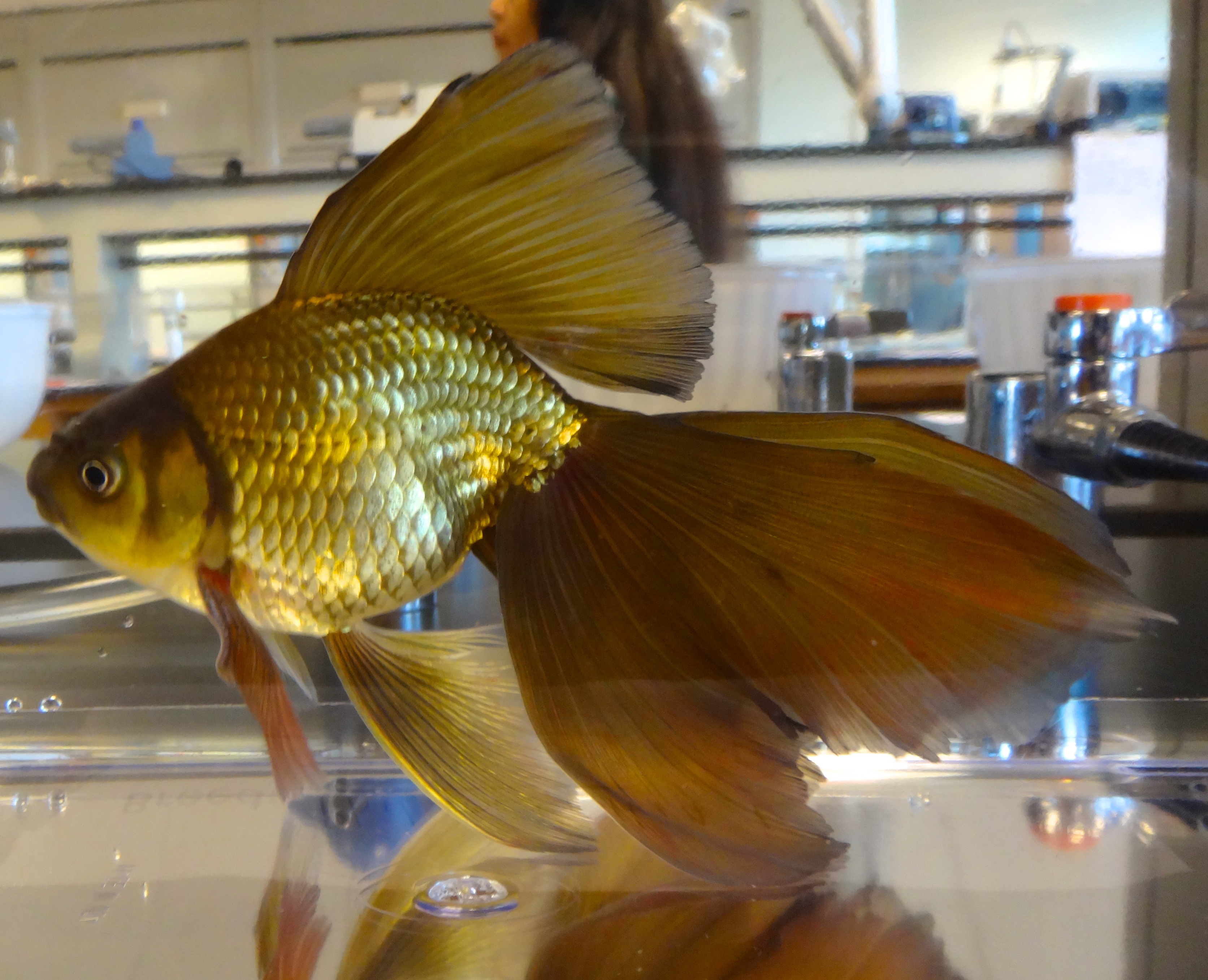
The Veiltail is one of the oldest and most popular fancy goldfish breeds (Carassius auratus), developed in China centuries ago and continuously refined over generations. It is distinguished by its magnificent, divided veil-like tail fin, which is several times longer than the body and flows freely as the fish moves. The body is short and round. Veiltails are slow swimmers requiring peaceful tankmates and a tank free of sharp decorations that could snag their fins. As a cold-water variety, they tolerate temperatures as low as 10°C, making them suitable for garden ponds in temperate climates during warm months. They are among the longest-lived aquarium fish, often reaching 15–20 years with proper care. One of the most widely kept fancy goldfish worldwide.
Appearance
A short, egg-shaped body reaching 15–20 cm in length. The defining feature is the magnificent paired (split) tail fin: in show specimens it hangs down like a skirt and can reach 2–3 times the body length. The dorsal fin is tall and paired, also flowing. Eyes may be normal or slightly protruding. Coloration is extremely varied: red, orange, yellow, white, black, blue, calico, and chocolate.
Care
A tank of at least 150–200 liters for a pair. Temperature 10–23°C (cold-water, but tolerates room temperature). pH 6.5–7.5, hardness 5–15 dGH. Moderate filtration without strong current — long fins impede swimming against flow. Avoid sharp decorations and stiff plants. Regular water changes (30% weekly) are essential. Aeration is important, especially in summer. Live plants will be eaten; use artificial ones or tough species like Anubias or Java fern.
Feeding
Omnivorous. Specialized goldfish pellets or flakes form the dietary base. Supplement with cooked peas, blanched spinach, lettuce, and fresh cucumber. Live or frozen foods (bloodworms, daphnia, tubifex, brine shrimp) as a treat 2–3 times per week. Feed twice daily with a portion consumed within 2–3 minutes. Remove uneaten food immediately. Overfeeding leads to swim bladder disorders.
Compatibility
Compatible only with other slow-moving fancy goldfish varieties: Orandas, Bubble Eyes, Ranchus, and Lionheads. Do not keep with fast varieties (Comets, Shubunkins, common goldfish) that outcompete them for food and may nip fins. Incompatible with tropical fish due to differing temperature requirements. Also avoid all fin-nipping species.
Breeding
Spawning is triggered by lowering temperature to 10–12°C for 2–3 months (simulating winter), then gradually raising it to 18–22°C in spring. During spawning, males chase females and nudge them toward plants. Adhesive eggs are deposited on plants and substrate — up to 10,000 per spawn. Adults eat eggs; separate them promptly. Fry hatch in 4–7 days at 20°C. Feed infusoria and then brine shrimp nauplii.
Fun facts
The Veiltail was one of the first fancy goldfish varieties described by European scientists in the 17th century. The tail fin of record show specimens can exceed 60 cm in length. Despite its elegant appearance, the Veiltail is hardier regarding water quality than many other fancy goldfish breeds.