Plants
Japanese Cress
Cardamine lyrata
Origin: Japanese cress comes from East Asia — Japan, China, and Korea — where it grows on wet shores, marshes, and shallows. It tolerates cool water and emersed culture.
Also known as: Lyreleaf bittercress, Cardamine lyrata
Fact sheet
- Height
- 40 cm
- Temperature
- 15–26 °C
- pH
- 6–7.5
- Lighting
- Medium
- CO₂
- Not needed
- Growth rate
- Fast
- Placement
- Background, Midground
Overview
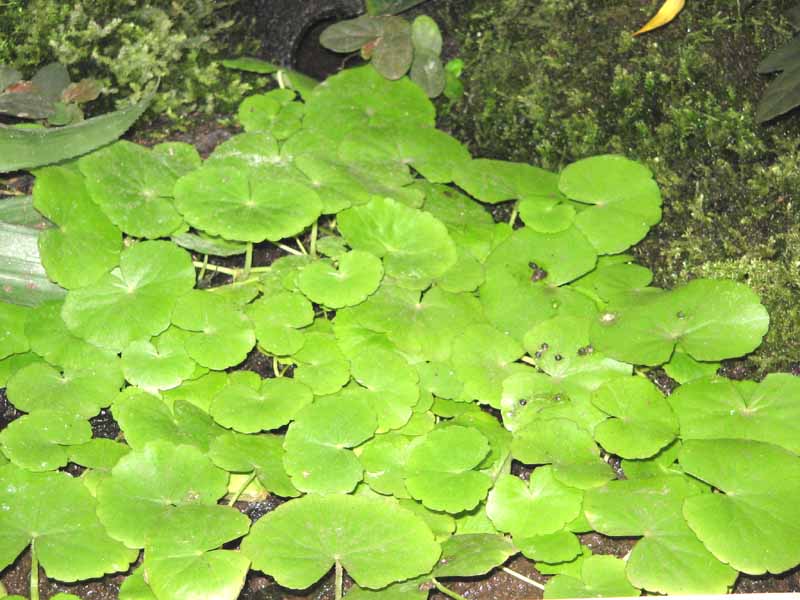
Japanese cress is an attractive stem plant with light green rounded-kidney-shaped leaves on flexible stems, resembling watercress. It is undemanding and grows fast under medium light without CO2, forming airy thickets and producing side shoots right in the water column. It likes cool water, which suits it to unheated and moderately warm aquariums. Its flexible stems can be trained, rooted, or left to float. It is well suited to beginners.
Appearance
Flexible creeping or floating stems bear alternate rounded-kidney-shaped light green leaves 1–2.5 cm across; lower leaves are sometimes lyre-shaped and divided. Height is up to 30–40 cm. Fine white roots and side shoots branch from the nodes. It produces small white flowers above water.
Care
Undemanding: medium to strong light, 15–26 °C (it likes it cool), pH 6.0–7.5. CO2 is not required but speeds growth. It grows fast; in warm water (above 26 °C) it may decline. It roots in substrate or grows floating.
Fertilizing
It feeds from water and substrate. It has few special needs; basic fertilisers and micronutrients speed growth. Moderate nutrient demand.
Breeding
It propagates by cuttings and side shoots that branch from the nodes and root easily. It spreads fast.
Fun facts
Japanese cress leaves resemble watercress, its edible relative in the same genus. The plant likes cool conditions and tolerates heat poorly. Its flexible stems allow it to be grown rooted, floating, or climbing.