Fish
Botia Loaches (genus overview)
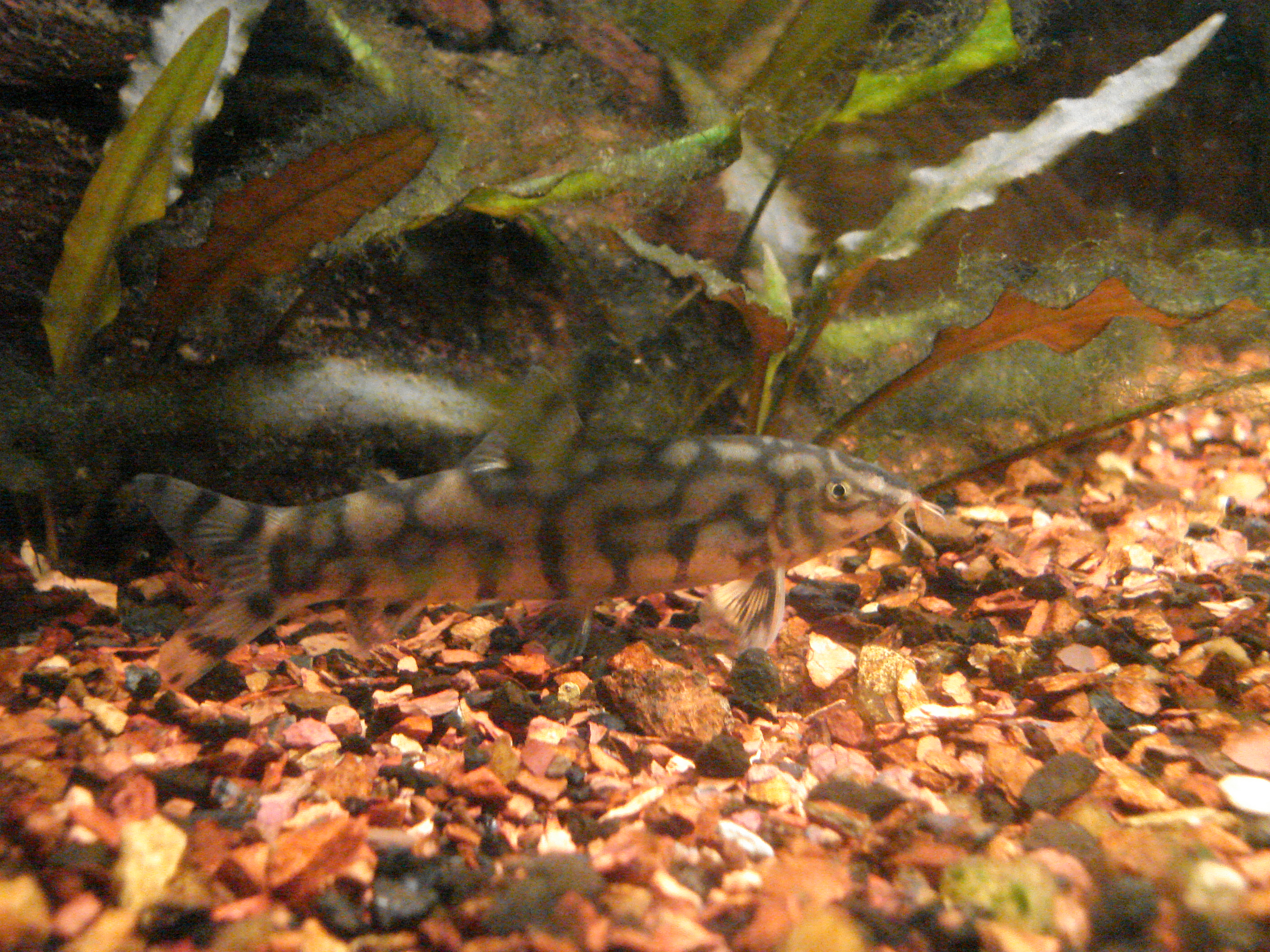
Botia almorhae
Origin: South Asia — India, Pakistan, Bangladesh, Nepal, Myanmar
Also known as: Indian loaches, Botiid loaches
Fact sheet
- Size
- 12 cm
- Lifespan
- 10 years
- Minimum tank size
- 150 L
- Temperature
- 23–30 °C
- pH
- 6–8
- Hardness GH
- 5–12 °dH
- Temperament
- Semi-aggressive
- Social behavior
- Schooling
- Group size
- 6+ individuals
- Swimming zone
- Bottom
- Diet
- Omnivore
- Jumps out
- No
- Eats plants
- No
Varieties
Overview
Botia is a genus of freshwater fish in the family Botiidae, comprising species distributed across South Asia. The genus was historically much larger with around 20 species, but in 2004 ichthyologist Maurice Kottelat proposed dividing it into four distinct genera: Botia for the Indian loaches proper, Chromobotia for the Clown Loach, Syncrossus for the elongate tiger loaches, and Yasuhikotakia for Mekong loaches. Following this revision, the genus Botia now contains approximately nine recognized species confined to South Asia. All members are benthic fish with a pair of suborbital bifid spines that can be erected when threatened. They are social, active, and excellent snail consumers, producing a characteristic clicking sound while feeding. Group keeping of five or more is essential for their well-being.
Appearance
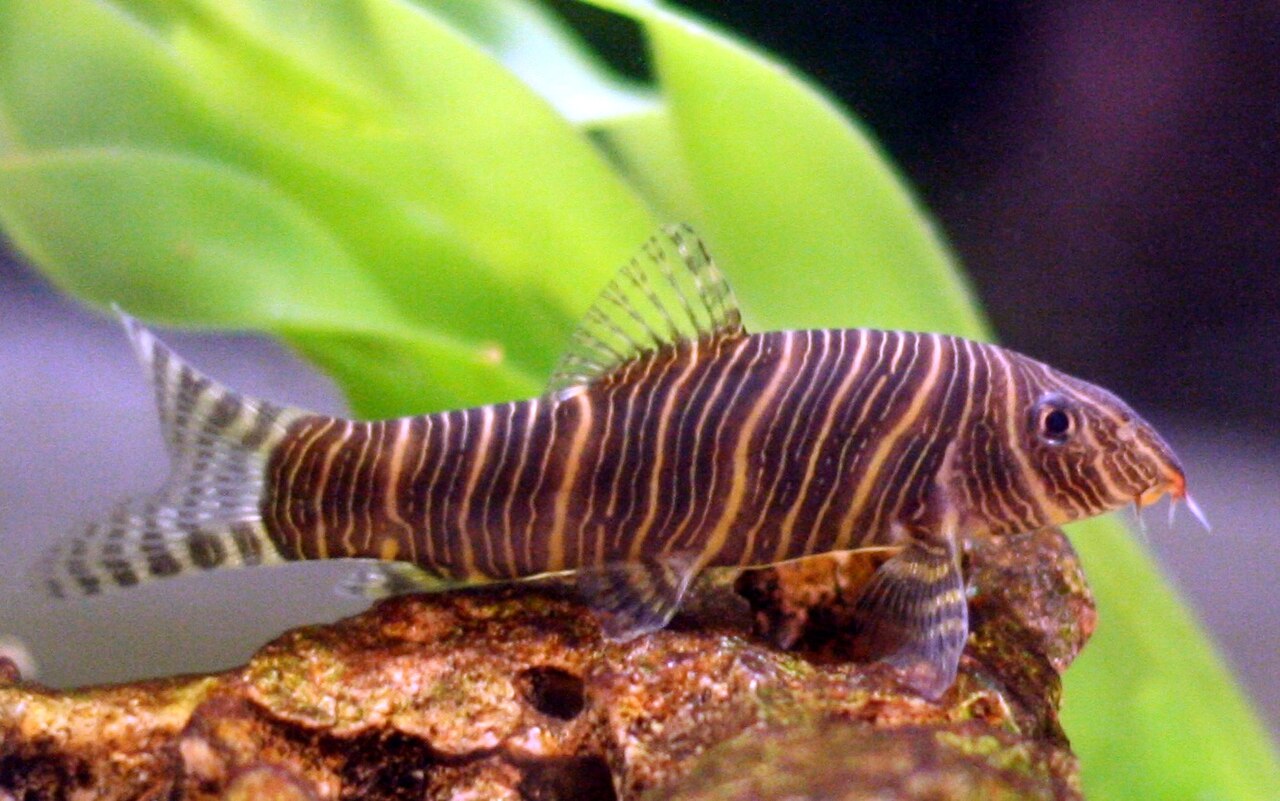
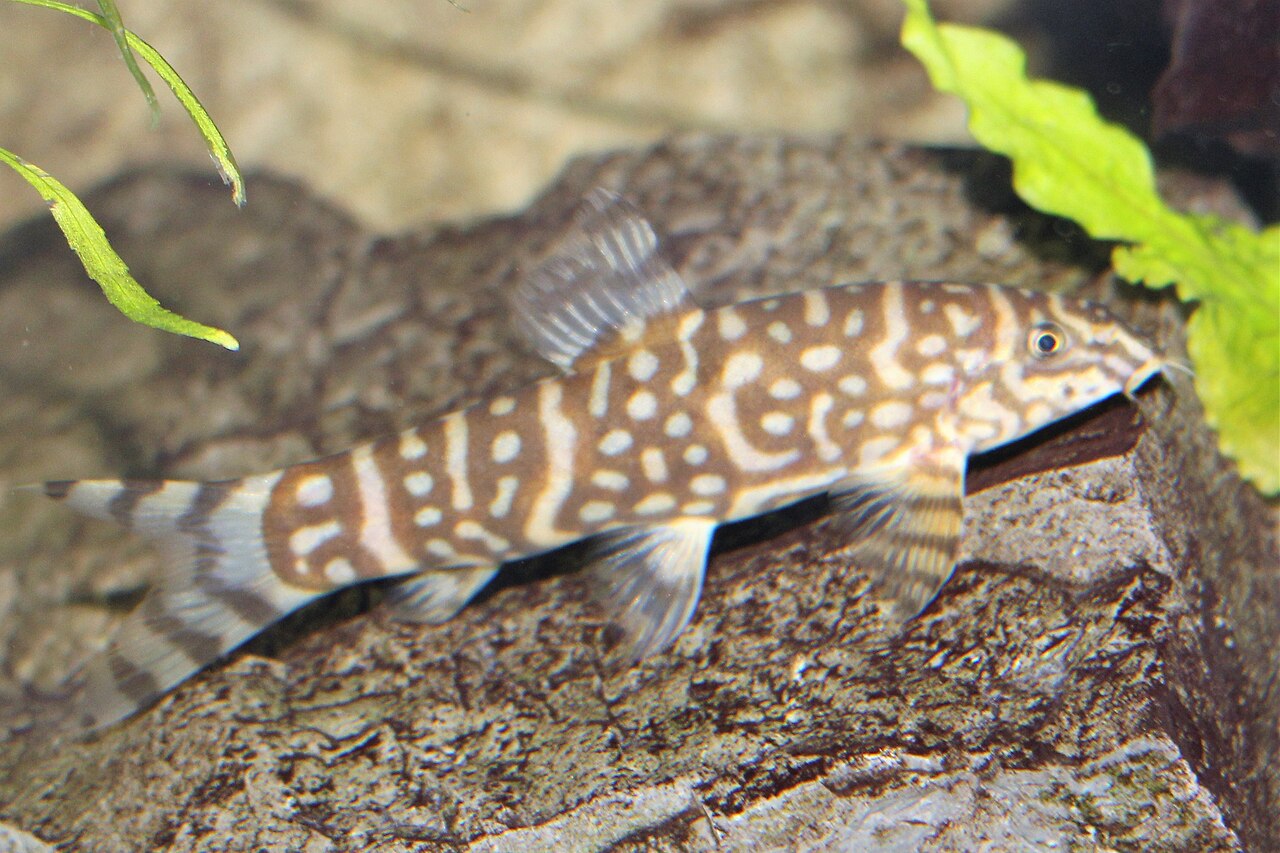
Botia species are small to medium-sized fish (5–16 cm depending on species) with a characteristic elongated, ventrally flattened body. Colouration varies: most species display striped or spotted patterns in black, brown, and yellow tones. The Zebra Loach (Botia striata) is notable for bright yellow and dark vertical bands, and the Yo-yo Loach (Botia almorhae) for a distinctive reticulated pattern. Each eye is flanked by a retractable bifurcated spine.
Care
Most Botia species require tanks of 100–200 litres (depending on adult size) with groups of at least 5–6 individuals. A soft sand or fine-gravel substrate protects delicate barbels. Strong filtration and good oxygenation are important. General parameters: temperature 22–28 °C, pH 6.5–7.5, soft to moderate hardness. A tight-fitting lid is essential as these fish are accomplished jumpers. Plenty of caves, driftwood, and hiding spots reduce territorial stress.
Feeding
Omnivorous benthophages with a particular appetite for snails. In captivity they readily accept quality sinking pellets, algae wafers, frozen bloodworm, daphnia, tubifex, and brine shrimp. Vegetable foods such as blanched cucumber, courgette, or spinach are welcomed. Their snail-eating ability makes them one of the most effective biological controls for snail outbreaks in the aquarium.
Compatibility
Most species are reasonably peaceful and coexist with cyprinids, tetras, and similarly sized community fish. Intraspecific aggression is reduced by keeping larger groups that distribute any hierarchical conflict. The Zebra Loach (B. striata) is widely regarded as the best choice for a general community among the genus. Not suitable for aquaria containing very small fish under 3–4 cm.
Breeding
Most Botia species rarely if ever breed in home aquaria. In nature spawning occurs during the monsoon season in flooded forested areas. Commercial breeding employs hormonal stimulation. Botia produce non-adhesive eggs scattered over the substrate and show no parental care. Reliable hobbyist breeding has not been reported for the genus.
Fun facts
All Botia species possess sharp suborbital spines that extend when the fish is stressed and can tangle in fishing nets or plastic bags used during transport. The audible clicking produced during feeding comes from specialized pharyngeal teeth used to extract snails from their shells.